The Complete Guide To Poultry Farming In South Africa
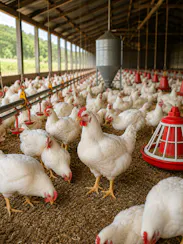
Poultry farming in South Africa has become one of the country's fastest-growing agricultural sectors. With increasing demand for chicken meat and eggs, more South Africans are turning to poultry farming as a profitable and sustainable business opportunity.
Whether you're considering starting a small backyard operation or establishing a large commercial farm, understanding the fundamentals of poultry farming is essential for long-term success. From selecting the right type of birds to investing in quality housing and feeding systems, every decision plays a role in determining profitability.
In this guide, we'll explore everything you need to know about poultry farming in South Africa, including broiler and layer farming, housing requirements, feeding systems, biosecurity, common mistakes, and how to choose the right equipment.


Contact Us
016 880 0303
084 357 9514
sales1@bierman-agri.co.za
Copyright © Bierman Agri. All rights reserved. Website Powered by Brand Circle.co.za

Why Poultry Farming Is Growing in South Africa
The poultry industry remains one of the most important sectors in South African agriculture. Chicken is one of the most affordable and widely consumed protein sources, while eggs continue to be an essential household staple.
Several factors are contributing to the growth of chicken farming in South Africa:
- Rising demand for affordable protein
- Population growth and urbanisation
- Increased interest in farming and agribusiness
- Opportunities for small-scale and commercial producers
- Technological advancements and automation
Unlike many other agricultural sectors, poultry farming offers relatively short production cycles and the potential for regular income, making it attractive to both beginner and experienced farmers.
Understanding Broiler vs Layer Farming
One of the first decisions any poultry farmer must make is whether to focus on broilers or layers.
Broiler Farming in South Africa
Broilers are chickens raised specifically for meat production. They are bred to grow quickly and reach market weight within approximately six to eight weeks.
Advantages of Broiler Farming
- Short production cycles
- Quick return on investment
- High demand for chicken meat
- Scalable for both small and large operations
Challenges
- Feed costs can be high
- Disease outbreaks can spread rapidly
- Proper ventilation and temperature control are essential
Broiler farming is often ideal for farmers looking to generate faster cash flow and expand their operations over time.
Layer Farming in South Africa
Layer farming focuses on egg production. Layers begin producing eggs at around 18 to 20 weeks of age and can remain productive for over a year.
Benefits of Layer Farming
- Continuous income through egg sales
- Strong demand from households and retailers
- Long-term production potential
Challenges
- Higher upfront investment
- Longer time before returns are realised
- Consistent management is required
Many farmers choose layer farming in South Africa because eggs provide a steady source of revenue throughout the year.

Layer Farming in South Africa
Layer farming focuses on egg production. Layers begin producing eggs at around 18 to 20 weeks of age and can remain productive for over a year.
Benefits of Layer Farming
- Continuous income through egg sales
- Strong demand from households and retailers
- Long-term production potential
Challenges
- Higher upfront investment
- Longer time before returns are realised
- Consistent management is required
Many farmers choose layer farming in South Africa because eggs provide a steady source of revenue throughout the year.
Housing Requirements for Poultry Farming
Housing plays a crucial role in the success of any poultry farming business. Poor housing can lead to stress, disease, reduced growth rates, and lower productivity.
An ideal poultry house should provide:
- Adequate ventilation
- Protection from predators
- Sufficient space for birds
- Proper lighting
- Temperature control
- Efficient waste management
Importance of Ventilation
Fresh air is essential for maintaining bird health. Poor ventilation can cause:
- Respiratory problems
- Heat stress
- Excess moisture
- Increased ammonia levels
Modern poultry houses are designed to maximise airflow while maintaining optimal temperatures.
Space Requirements
Overcrowding is one of the leading causes of poor performance in poultry production.
Proper spacing helps:
- Reduce stress
- Improve growth rates
- Minimise disease transmission
- Increase feed efficiency
Investing in professionally designed poultry houses can significantly improve productivity and profitability.
Feeding Systems: Maximising Efficiency
Feed represents one of the largest expenses in a poultry farming business. Efficient feeding systems are therefore critical to reducing waste and improving bird performance.
Common Feeding Solutions Include:
- Automatic feeder lines
- Manual feeding systems
- Feed bins and silos
- Auger systems
Modern feeding systems ensure:
- Uniform feed distribution
- Reduced labour requirements
- Less feed wastage
- Improved feed conversion ratios
Automation is becoming increasingly popular among commercial poultry farmers because it improves efficiency while lowering operating costs.
Water Systems and Their Importance
Clean water is just as important as quality feed.
Birds require constant access to fresh water for:
- Healthy growth
- Egg production
- Disease prevention
- Improved feed conversion
Modern drinker systems help maintain hygiene and ensure that birds receive a consistent water supply.
Common water systems include:
- Nipple drinker lines
- Bell drinkers
- Automatic watering systems
Reliable water systems contribute directly to flock performance and overall farm profitability.


Biosecurity and Disease Prevention
Biosecurity is one of the most critical aspects of poultry farming in South Africa.
Disease outbreaks can cause devastating losses, making prevention far more effective than treatment.
Essential Biosecurity Measures
Limit Visitor Access
Restrict access to poultry houses and minimise unnecessary movement on the farm.
Maintain Clean Facilities
Regular cleaning and disinfection help prevent the spread of harmful bacteria and viruses.
Use Footbaths and Protective Clothing
Footbaths and dedicated farm clothing reduce the risk of introducing diseases.
Vaccinate Birds
Vaccination programmes help protect birds from common diseases and improve overall flock health.
Isolate Sick Birds
Immediate isolation prevents diseases from spreading throughout the flock.
Strong biosecurity practices are essential for maintaining healthy birds and protecting the profitability of your poultry farming business.
Choosing the Right Equipment
High-quality equipment is one of the best investments a poultry farmer can make.
The right equipment improves:
- Productivity
- Bird welfare
- Labour efficiency
- Feed conversion
- Overall profitability
Essential Poultry Equipment
Poultry Houses
Proper housing provides the foundation for successful production.
Feeding Systems
Efficient feeders minimise waste and improve bird growth.
Drinker Systems
Consistent access to clean water supports healthy birds.
Feed Bins and Silos
Feed storage systems help preserve feed quality and streamline operations.
Automation Systems
Automated solutions reduce labour costs and increase efficiency.
Ventilation Systems
Proper airflow ensures optimal environmental conditions inside the poultry house.
Working with experienced suppliers ensures that equipment is designed to meet the needs of your operation.
Common Mistakes Beginners Make
Many new farmers underestimate the importance of planning and management.
Here are some of the most common mistakes:
1. Starting Without a Business Plan
A successful poultry farming business requires careful planning.
Your business plan should include:
- Production goals
- Budget estimates
- Marketing strategies
- Growth projections
2. Poor Housing Design
Inadequate housing often leads to:
- Heat stress
- Disease outbreaks
- Lower productivity
Investing in quality housing from the beginning can prevent costly problems later.
3. Overcrowding Birds
Too many birds in limited space increase stress and disease risks.
Proper stocking densities are essential for healthy growth and egg production.
4. Ignoring Biosecurity
Disease prevention should never be overlooked.
Simple biosecurity measures can save thousands of rands in losses.
5. Buying Poor Quality Equipment
Cheap equipment often results in:
- Increased maintenance costs
- Reduced efficiency
- Lower productivity
Quality equipment provides better long-term returns.
6. Underestimating Feed Costs
Feed is one of the largest expenses in poultry farming.
Efficient feeding systems and proper feed management are critical to profitability.
Is Poultry Farming Profitable in South Africa?
Yes, poultry farming can be highly profitable when managed correctly.
Success depends on factors such as:
- Quality housing
- Efficient feeding systems
- Strong biosecurity
- Healthy birds
- Good management practices
- Reliable equipment
Both broiler farming and layer farming offer attractive opportunities for farmers willing to invest in proper systems and long-term planning.
As consumer demand for chicken and eggs continues to grow, the outlook for poultry farming in South Africa remains positive.
The Future of Poultry Farming in South Africa
Technology and automation are transforming the poultry industry.
Modern poultry farms increasingly rely on:
- Automated feeding systems
- Advanced ventilation systems
- Climate-controlled poultry houses
- Smart monitoring solutions
These innovations help farmers:
- Reduce labour costs
- Improve efficiency
- Increase production
- Enhance bird welfare
As the industry continues to evolve, farmers who embrace modern systems and quality equipment will be best positioned for success.
Poultry farming in South Africa presents significant opportunities for both new and experienced farmers. Whether you're interested in broiler farming in South Africa or layer farming in South Africa, success depends on investing in the right infrastructure, maintaining strong biosecurity practices, and choosing quality equipment.
By understanding the fundamentals of housing, feeding systems, disease prevention, and flock management, farmers can build profitable and sustainable poultry farming businesses.
Looking to improve your poultry operation?
From poultry houses and feeding systems to automation solutions and livestock, Bierman Agri provides farmers with the equipment and expertise needed to maximise productivity and achieve long-term success.